Jade Journal | Published September 2, 2026 | Reviewed by Yufu Jade Editorial Team
Why We Insist on Hand-Carving Jade Plaques
How hand carving changes design decisions, edge comfort, relief depth and the relationship between a plaque and its stone.
Hand carving is not just a romantic phrase. It changes how the design is made. Instead of forcing every block into the same outline, the carver can adjust the motif when the stone reveals an inclusion, a change in tone or a stronger area that deserves to remain visible.
The drawing starts with the material
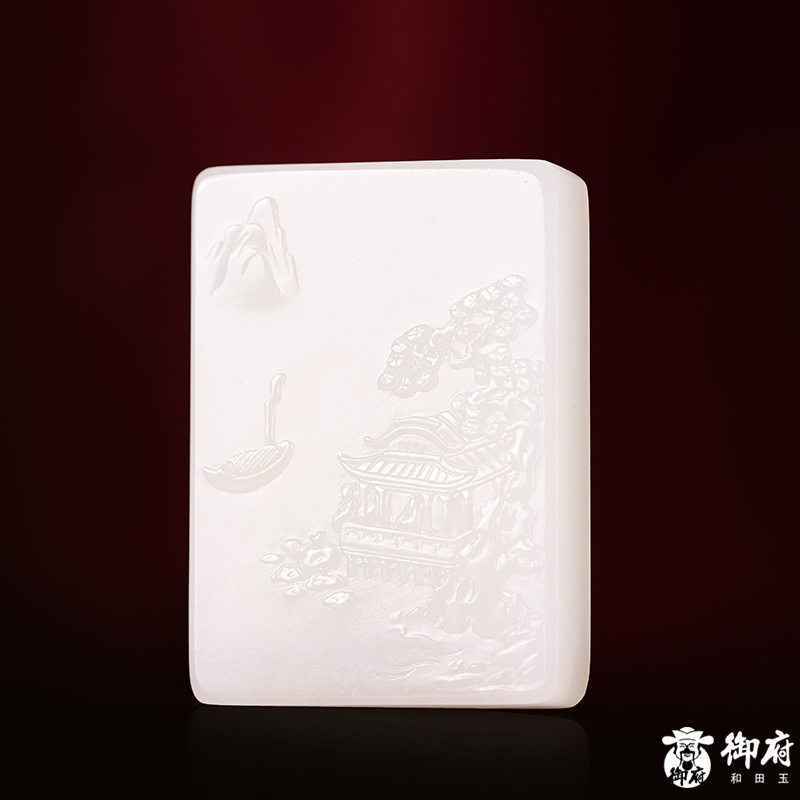
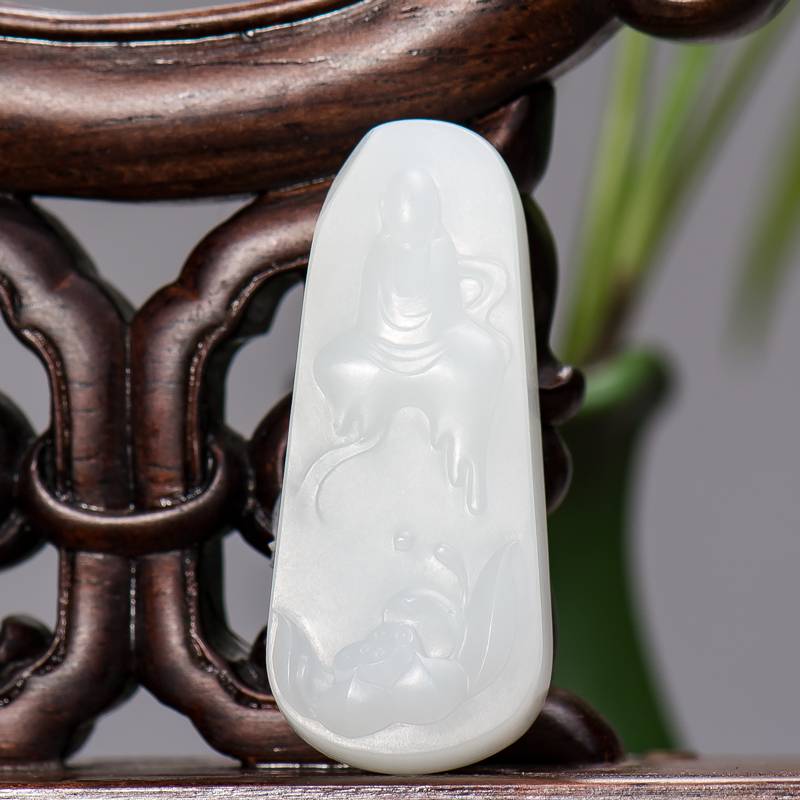
Before carving, the front, back and edge are studied together. The carver decides where a line can deepen, where relief should stay low and where an edge needs more body. On a landscape plaque, open areas may be left quiet so the jade can carry light. On a figure plaque, the depth must be enough to create a readable silhouette without making the pendant fragile.
Touch is part of the finish
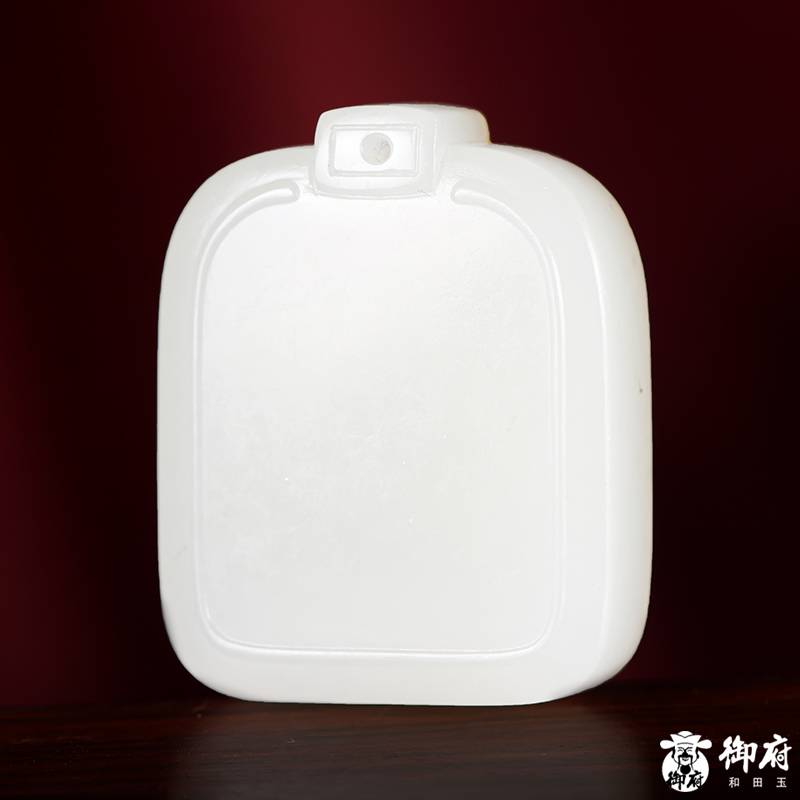
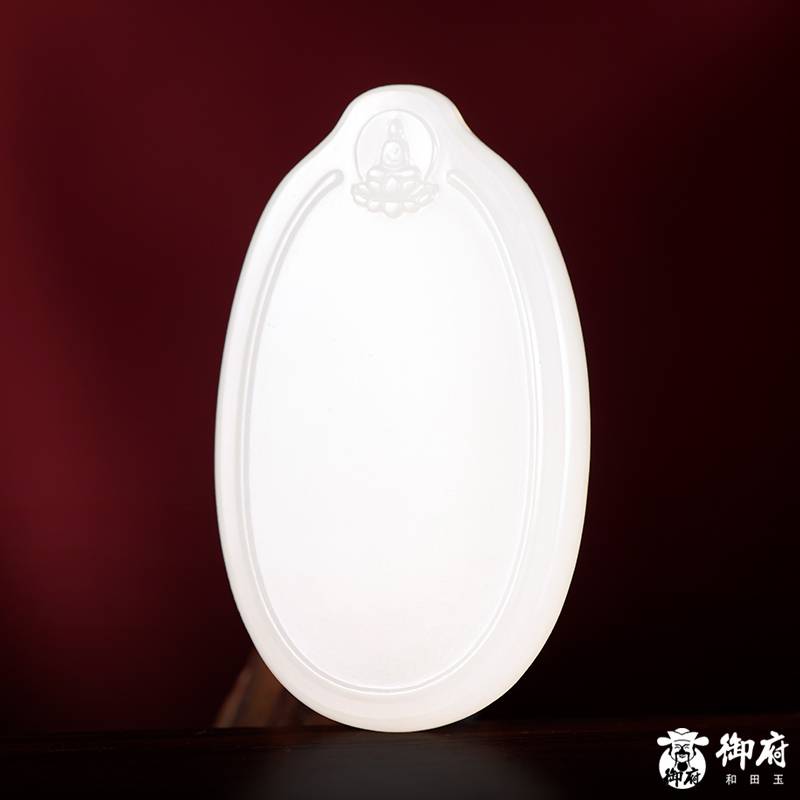
Edges are rounded, transitions are softened and raised details are checked by hand. That matters when a 9.5 mm peace plaque rests against skin or a 10.6 mm lotus relief is held between the fingers. A camera can show a clean outline, but it cannot fully show whether the edge feels abrupt or comfortable.
Why the result is harder to duplicate
Small changes in skin, tone and inclusions make each hand-finished plaque different. The 32.5 g Jiangnan landscape piece uses a reverse continuation that requires the composition to stay coherent as the material turns. The 14.4 g wudao and lotus plaque relies on controlled depth and narrow proportions. Those are material-specific decisions, not a single mould.
Hand carving does not make every piece valuable. It gives the material a chance to influence the work, which is the standard we want buyers to see.